Author: Greena Partners

  • Financial Statement Fraud

    Financial Statement Fraud

    Greena Partners

    Financial Statement Fraud

    Financial statement fraud occurs when a company intentionally manipulates financial information to deceive or mislead shareholders, investors, lenders, and other users of the general purpose financial statements.

    Aggressive accounting, that is, choices that are designed by management to enhance a company’s financial performance and position, by inflating revenue, earnings, and other reported operating cash flows, or by decreasing the amount of expenses or debts in a reporting period, can threatened the going concern of a business if not nip in the bud.

    This kind of fraud can have severe consequences for organizations, leading to damaged reputation, financial losses, and even legal repercussions. Understanding common methods of financial statement fraud, as well as implementing effective detection and prevention measures, is crucial for maintaining the integrity of financial reporting.

    There are several methods usually employed by companies to commit financial statement fraud. Some of which are set out below:

    1. Revenue Manipulation
    2. Overstating/ Understating Expenses
    3. Improper Asset Valuation
    4. Concealing Liabilities
    5. Fraudulent Disclosures
    6. Round-Tripping
    7. Related Party Transactions
    8. Timing Differences
    9. Manipulating Reserves and Accruals
    10. Corruption

    Revenue Manipulation

    Companies undertake several methods of perpetrating revenue fraud. Revenue can be artificially inflated by recording sales that have not been earned or recognising revenue prematurely. A fictitious trade receivable can be manufactured to create artificial sales. At times, companies inflate trade receivables in order to increase revenue. In addition, companies can record fictitious sales, or record revenue when risk and reward incident to the goods or services have not been transferred to the customers.


    Overstating/ Understating Expenses

    Expenses can be manipulated to achieve a predetermined objective. Management can increase expenses arbitrarily in order to reduce the company’s tax liabilities. For example, directors’ remuneration, marketing expenses, etc., can be inflated to achieve a lower profit, and in effect, resulting in a lower tax been paid. On the flip side, management can intentionally understate expenses by undercharging depreciation or any other specific expense line items to achieve high profit margin to mislead investors. Other methods include to defer legitimate expense to the next reporting period, capitalizing expenses, etc., all in a bid to increase reported profit.

    Generally, companies engage in creative or gymnastic accounting practices by cooking or making their books appear so rosy than necessary to deceive investors. Though, the tax authorities are aware of these sharp practices, and that is why a company’s audited financial statements is being subjected to thorough scrutiny during tax audit.


    Improper Asset Valuation

    The valuation of assets in the statement of financial position can be materially manipulated to achieve intended results. Assets such as properties, plant, and equipment, goodwill, including inventories can be overvalued to misrepresent the company’s  financial position. For instance, when inventories are overvalued, the reported profit will be lower, and in effect, a lower tax liability will be paid. Misleading asset valuation can also arise when a company intentionally fails to write down impaired assets to their recoverable amount in consonant with the dictate of IAS 36 on impairment of assets.


    Concealing Liabilities

    Companies can omit or understate liabilities in order to present a healthier financial position in a particular period than they actually have. Concealing liabilities can arise when an entity’s management fail to disclose off-balance sheet items including operating leases or contingent liabilities. It can also occur when account payables are understated, or improper recording of warranty costs and loan covenants are carried out in the books.

    At times, companies’ management can use “big bath” technique to manage their earnings by conducting a one-time write-offs in a reporting period to enhance future profit. Big bath is an unethical behaviour usually carried out by a company’s top level management when they realised that they cannot achieve the minimum earnings target in a given period. The management can then delay revenue realization, create big write-offs, or making prepay expenses in order to get big bonuses in the near future.


    Fraudulent Disclosures

    The information provided in the financial statements must be accurate, faithfully represented, and devoid of any ambiguity to enable users make informed business and investing decisions. Fraudulent disclosures involves intentional manipulation of facts by providing misleading or false information in the financial statements. Companies can omit material information, making overly optimistic estimates, or misrepresenting the nature of transactions or financial arrangements with third parties. To achieve an intended result or objective, information relating to contingent liabilities, related party transactions, accounting changes, or any material events, can either be obscured or omitted entirely in the financial disclosures or footnotes.


    Round-Tripping

    This is a fraudulent activities usually conducted between related entities where money is exchanged to create the appearance of a legitimate business transaction, where in reality, it is fake. This fraudulent act is usually perpetrated by the management to artificially inflate revenue, create fictitious transactions, or manipulate the financial information to mislead shareholders, investors, government, and other users of the financial statements. Generally, engaging in round-tripping can result in lawsuits, impair a company’s relationships with relevant stakeholders, and significantly damage its reputation once uncovered.


    Related Party Transactions

    Though, not necessarily a mechanism for fraud, but companies, including multinational entities, can use related party such as subsidiaries, affiliates, or their executives to perpetrate financial fraud. This is particularly possible when assets, goods, or services are exchanged between related parties at inflated prices. Contract prices, loan agreement, leases, and service agreement  between related entities can be manipulated to distort financial results. Because of potential conflict of interest, auditors, or regulatory authorities usually subject related party transaction to thorough investigation.


    Timing Differences

    This involves recording revenue or expenses inappropriately in different periods. Revenue or expenses can be shifted from one period to another in order to achieve a targeted or predetermined earnings. For example, if a company wants to report high profit in a particular period, it can delay closing of books to enable more sales to be generated or allow customers’ invoices to be paid before the books are finally closed for the reporting period or month.


    Manipulating Reserves and Accruals

    Companies can manipulate reserves and accruals, including warranty reserves, provision for doubtful debts to smooth earnings or create the appearance of financial stability.


    Corruption

    This involves conflict of interest, bribery, kickbacks, contract inflation, selling of proprietary information, economic extortion, money laundering, etc., often perpetrated by company’s management or its official in collusion with third parties.

    In Summary

    Financial statement fraud is usually carried out among company directors, employees, and sometimes require collusion with external parties, including auditors, consultants, or vendors. Hence, detection of this kind of fraud will require careful analysis of the financial statements using relevant tools to identify unusual or inconsistent patterns in transactions. Independent verification of key financial metrics may be carried out to spot irregularities.

    Engaging in financial statement fraud have dire consequences for organizations. It can result in financial losses, lawsuits, or erode the company’s reputation. Consider the scandals, and disastrous end of Enron, WorldCom, Wirecard, etc. Understanding ways by which financial statement fraud are been committed, including putting in place, effective detection, and prevention measures, can protect the integrity of financial information and enhance investors’ confidence.

    At Greena, we pride ourselves with highly experienced and committed professionals willing and ready to collaborate with businesses to create value

    SIGN UP below to receive compelling articles to improve your business

    info@greenapartners.com

    +234 (0) 901 610 3132
     

    Postal Code: 100213

    74 Ogunnusi Road, Ojodu Ikeja, Lagos

  • Key Factors That Influence Share Prices

    Key Factors That Influence Share Prices

    Key Factors That Influence Share Prices

    Key Factors That Influence Share Prices

    Share price represents the economic worth of a company’s shares. It is the amount at which a company unit share can be traded in an organized financial market. These share prices are determined by several internal and external economic factors, including market conditions. Though, investing in shares can be a very profitable venture but need critical evaluation to avoid the risk of financial losses. The stock market is highly volatile and can make the share prices susceptible to market gyrations. This is because a single misstep can result in disastrous financial outcome for an investor.


    Outlined below are some of the factors that influence share prices:

    Company Fundamentals (Financials)

    The performance of a company in terms of top-line and bottom-line growth, profit margins, earnings before interest, tax, depreciation, and amortization (EBITDA), earnings per share (EPS), dividends, and overall financial wellbeing can have material effect on the determination of a company’s share price. The fundamentals have the capacity to influence investors’ sentiment positively or negatively in relation to a company’s share prices. A rational investor will seek to maximize returns where possible. Therefore, a company with a weak financial performance will not be able to attract investors, leading to a fall in its share prices. Generally, rational investors have propensity to acquire shares in a company with exceptional performance. This will increase demand for a company’s shares, leading to an increase in its share prices.


    Demand and Supply

    The demand and supply dynamics can significantly influence the share prices of a company. When there is high demand for a company’s shares arising from strong financial performance, positive news about the company, favourable industry trends, or perceived stock underpricing, the share prices will tend to increase. However, when the number of shares available for sale in the market is more than the unit of shares demanded by investors, the share prices will drop. Generally, the events such as insider selling, share buybacks, stock issues, initial public offering, or secondary offerings can put pressure on a company’s share prices.


    Industry Performance

    The performance of the industry where a company operates can affect its share price. A rapidly growing industry can attract positive sentiment from investors group, which can significantly enhance a company’s share prices. A sector with a bad reputation cannot command any positive influence from the market. Hence, the share prices of the companies operating in such sector may not be attractive.


    Market Sentiment

    The overall attitude, mood, or psychology of investors about a company’s shares can affect its share prices. Factors such as market speculation, rumours, investor perceptions, etc. can significantly influence a company’s share prices. Specifically, when the market sentiment is bullish, the share prices rise, whereas a bearish market sentiment indicates a declining share prices.


    Economic Factors

    The macroeconomic indicators of a country, including GDP growth, interest rates, inflation rates, unemployment, etc. can have material effect on the companies’ share prices. Strong economic indicators can enhance investor confidence, leading to increased share prices. In addition, a stable economy has the tendency to attract foreign direct investments, leading to high demand for companies’ shares, and hence increase in share prices. Whereas a country with a troubled economy will discourage foreign direct investment investments, and the existing investors may sell-off their shares, resulting in a fall in share prices.


    Monetary Policy

    The central bank decisions or actions about interest rates can affect countrywide economic activity, borrowing costs, consumer spending, purchasing powers, etc. This  can materially influence the share prices. If the policies announced by the central bank is favourable to investors, the market sentiment will be positive, and share prices will tend to increase. But unfavourable policies can erode investor confidence, which may prompt sell-off, and in effect, declining share prices.


    Regulatory Changes

    Changes in government policies or regulations can affect a particular industry or industries, leading to a change in companies’ share prices. For instance, an increase in companies’ income tax rates can affect all companies operating within an economy, which may lower earnings, and in effect, the share prices. Contrarily, if government decides to reduce companies tax rates, earnings will increase, which will boost the share prices.


    Geopolitical Risks and Global Events

    Investors will always avoid any country with a turbulent political environment to minimize financial risk. The events such as war, natural disasters, geopolitical tensions, or global economic crises can create uncertainty in the financial markets leading to gyration in share prices.

    In Summary

    Generally, share prices are determined by the market forces of demand and supply. This is because when demand for a company’s shares exceeds supply, the share prices increase because investors are willing to pay higher prices to buy shares. On the other hand, when supply of shares exceeds demand, the share prices tend to decline as the sellers compete to find willing buyers at lower prices. It is essential to note that these factors are interrelated in the determination of share prices.

    In addition, the investor sentiment and perceptions, particularly the dynamics of demand and supply can significantly influence share prices based on the fundamental factors.

    Therefore, before making your next investing decision, it is judicious to consider these factors to have better understanding of how the stock market operates. Developing investment strategy can also help you to identify new opportunities and potentially profit from share price movement, especially if the shares are undervalued.

    Here, are some factors to consider before investing in shares

    If you need financial advice, kindly reach out to us at Greena Partners. Our advisory team are available to collaborate with you to provide a unique and requisite support towards making your smart investing decision.

    At Greena, we pride ourselves with highly experienced and committed professionals willing and ready to collaborate with businesses to create value

    SIGN UP below to receive compelling articles to improve your business

    info@greenapartners.com

    +234 (0) 901 610 3132
     

    Postal Code: 100213

    74 Ogunnusi Road, Ojodu Ikeja, Lagos

  • Recapitalization: Upside | Downside

    Recapitalization: Upside | Downside

    Greena Partners

    Recapitalization: Upside | Downside

    On March 28, 2024, the Central Bank of Nigeria (CBN) rolled out a circular on the review of minimum capital requirements for commercial, merchant, and non-interest banks. To satisfy the minimum requirements, banks are provided with several options, including:

    1. Introducing additional capital through right issues, private placement, and/ or offer for subscription
    2. Engaging in business combinations through merger and acquisition (M&A)
    3. Upgrade or downgrade license authorization/ category.

    Minimum Capital Requirement

    The new minimum capital requirements of banks as unveiled by the CBN are shown in the table below:

    Minimum Capital Requirement

    Time Frame

    All the banks are given two (2) years to comply with the recapitalization exercise, effective April 01, 2024, and ending March 31, 2026.

    Specifically, the apex bank requires that the new minimum capital must be raised through paid-up capital and share premium only for existing banks, and paid-up capital only for proposed or new banks.

    In addition, all banks are required to submit to the Director, Banking Supervision Department of CBN, not later than April 30, 2024, of their implementation plans on the chosen option (s), and how they intend to meet up with the requirement, including their specific timelines.

    Implications

    Bank recapitalization involves the process of enhancing the capital structure of a bank by introducing additional capital. This usually has some upside and downside effects. Thus, outlined below are some of the possible implications of the recapitalization exercise include, but not limited to:


    Upsides of Recapitalization:

    Close monitoring and Supervision:

    Recapitalization ensures there is proper scrutiny and supervision over banks’ activities by the regulatory authorities. This will enable the banks to meet up with the capital adequacy requirements imposed by the CBN.


    Enhanced Capital Base:

    Recapitalization will birth bigger, stronger, and healthier banks which ensure financial stability. This can boost the capacity of banks to absorb losses and maintain going concerns even during economic upheaval.


    Improved investors’ confidence:

    When there is recapitalization investors and depositors will have more confidence in the banks’ stability and solvency. This can lower the level of withdrawals by depositors and reduce funding costs for the banks.


    Additional Capital Inflows:

    When there is recapitalization, foreign investments will be attracted into the economy, which may enhance the Nigerian currency (naira).


    Improved Lending Capacity:

    With increased capital, banks are more equipped to lend to businesses, especially the real sector of the economy e.g., agriculture, manufacturing, retails, etc. This can stimulate investment and improve economic growth.


    Economic Growth:

    Recapitalization will ensure banks are more positioned to support the Federal Government intended goal to achieve $1 trillion economy by the year 2030.


    Resilience:

    Banks will become more resilient to global, market, and economic challenges/ headwinds.


    Enhanced Owners’ Equity Value:

    Recapitalization can result in merger or acquisition of some banks. A successful M&A scheme can create additional value to the shareholders through synergy.


    Downsides of Recapitalization:

    Loss of Identity:

    Some banks may collapse or lose identity to another bank through acquisition.


    Job losses:

    Recapitalization can result in acquisition of one bank by another. When this happens, the acquiring bank may shutdown the underperforming segments, which may result in job losses.


    Issue Costs:

    Costs associated with underwriting and raising additional equity capital, including regulatory fee, professional fees, marketing expenses, etc. will be incurred. This may portend additional financial burden on the banks.


    Dilution of Ownership:

    The proportional ownership of the existing shareholders may be impaired when issuing new shares due to the recapitalization. This will lead to reduced dividend per share, and in effect, discontent the shareholders. As a result, there may be shareholder activism, management change, etc.


    Management Concerns:

    The implementation of recapitalization exercise is a tedious, time-consuming, and complex activities. Considerable management efforts are required to ensure proper coordination with investors, regulators, and other relevant stakeholders. This may distract management from the smooth running of the day to day business activities.


    The successful implementation of the recapitalization plan will depend largely on some prevailing factors, including the market conditions, regulatory environment, and the peculiarity of the individual bank. Though, the potential benefits of recapitalization may outweigh its costs, the challenges that ensue will need to be judiciously managed to ensure its sustainability.

    Task Ahead

    Consistent with the new minimum capital requirements, all the relevant stakeholders, including the banks, regulatory agencies, etc. will be fully occupied for the task ahead. During this period,

    • All the relevant regulatory agencies, including the CBN, SEC, NDIC, etc. will be engrossed with their oversight functions to ensure successful implementation.
    • Banks may want to raise additional capital through right issues, private placement, or offer for subscription.
    • Any bank that cannot meet up with the capital requirements may be acquired by, or combined with, another bank, or cease operation.
    • Professionals such as accountants, lawyers, brokers, etc. would be engaged to provide the requisite supports and guidance.

    Investing in Shares- Look Before You Leap

    In the coming days, the banks will be out to raise additional capital from the public to meet up with the minimum capital requirements. Consequently, as a prospective investor, it is essential that you look before you leap.

    Shares acquisition can be a very lucrative opportunity because it will confer on you the ownership status in a company. As a result, you will reap the benefit of your investment whenever the company distributes dividend.


    However, before committing your financial resources into buying shares, consider your financial goals and risk appetite. This is because it is not certain that the anticipated return will be achieved. Economic conditions and external factors can impair or erode your investment. Therefore, caution should be exercised. Don’t buy shares of a company because of sentiment or emotion. More importantly, before committing your hard-earned financial resources:

    • Carry out due diligence (financial, legal, operational, etc.)
    • Critically evaluate the investment proposal to ascertain its viability
    • Seek professional advice from qualified financial advisor endowed with requisite technical know-how.


    These are essential ingredients to avoiding a catastrophic financial outcome.

    Here, are some factors to consider before investing in shares of a bank or any other company.

    If you need financial advice, kindly reach out to us at Greena Partners. Our advisory team are available to collaborate with you to provide a unique and requisite support towards making your smart investing decision.

    At Greena, we pride ourselves with highly experienced and committed professionals willing and ready to collaborate with businesses to create value

    SIGN UP below to receive compelling articles to improve your business

    info@greenapartners.com

    +234 (0) 901 610 3132
     

    Postal Code: 100213

    74 Ogunnusi Road, Ojodu Ikeja, Lagos

  • Factors To Consider Before Investing in Shares

    Factors To Consider Before Investing in Shares

    Factors To Consider Before Investing in Shares

    Factors To Consider Before Investing in Shares

    Investment in shares can be a worthwhile opportunity but requires critical evaluation and due diligence before committing one’s hard-earned financial resources into any investment proposal. This is necessary to avoid the risk of financial losses. Though, economic conditions, including recession, war, inflation, pandemic, etc. can erode the entire original investment or part thereof, but financial due diligence and sound professional advice can assist a rational investor in evaluating the available courses of action before final decision is taken.

    Set out below, are key considerations for investing in shares, including:

    1. Financial Goals
    2. Capital Investment
    3. Risk Tolerance
    4. Company Fundamentals
    5. Dividend Payment History
    6. Diversification
    7. Market & Economic Conditions
    8. Regulatory Environment
    9. Valuation
    10. Liquidity

    Financial Goals

    A prospective investor must decide on the financial goals to be achieved before investing. This is because investing decision should align with the short-term, medium-term, or long-term intended financial objectives. These goals should be specific, measurable, purpose-driven, unambiguous, and time bound. For example, your goal may be to buy a home, car, fund your children’s education, or earn stream of income at retirement. Generally, investors aim to maximize return on investment. Hence, the financial objectives should be consistent with your risk appetite.


    Capital Investment

    The amount of capital outlay available for investment will determine the size of the portfolio. Some categories of investment require a minimum amount while others a huge capital outlay. However, the higher the size, all things being equal, the higher the expected returns and vice versa. In addition, investment in shares will attract some incidental expenses such as professional fee, commissions, etc. Most importantly, you should:

    • Identify and compare brokerage fees, commissions, account maintenance fees, bank charges, professional fee, and other costs associated with buying, keeping, and selling shares.
    • Consider the implications of tax and inflation as it relates to shares acquisition and disposal.


    Risk Tolerance

    This represents the level of risk that one is willing and ready to undertake. Risk involves the possibility of losing the original investment or part thereof, due to the prevailing economic or market conditions. Generally, investing in shares is susceptible to market gyrations (fluctuations), which may negatively impact the value of your investment. It is a chance that financial losses may arise from the investment. That is why it is essential to incorporate the element of risk in the cash flow estimates when evaluating the investment proposal.

    Imagine the financial outcome of some investors in 2008 during the economic meltdown. You should learn from other investors’ past mistakes. Shares are considered the riskiest asset. Hence, before investing in shares/ stocks:

    • Assess your risk appetite in relation to the volatility of the securities.
    • Consider your age, investment experience, financial condition, and the ability to withstand any unfavourable outcome.
    • Consider your financial exposure to maximize return.
    • Integrate risk management strategies, including hedging techniques, position sizing, etc. to minimise potential losses and protect your capital investment.


    Company Fundamentals

    If you have some targeted companies you want to buy their shares, consider analysing their audited financial statements, including income statements, statement of financial positions, and cash flow statements to assess their prevailing financial condition. Their management commentaries and additional disclosures may also help to gain some insight into the business critical activities. Before investing in shares:

    • Carry out financial analysis to evaluate some key metrics, including revenue, gross profit margin, operating profit, EBITDA (earnings before interest, tax, depreciation, and amortization), net profit margin, return on equity, dividend capacity, and debt to equity.
    • Consider researching the companies’ management team, competitive position, product offerings, corporate governance, brand awareness and recognition, and market shares.


    Dividend Payment History

    The historical patterns of dividend payment provide important information about future company performance and investment returns. A company that rarely pays dividend may not likely satisfy the financial goal of an investor that desires a regular income. Therefore, before investing in shares:

    • Assess the company’s past dividend patterns, including dividend yield, and payout ratio.
    • Assess the capacity of the company to pay dividend on a consistent basis through earnings, free cash flow, and future growth prospects. Because strong financial performance is a function of future dividend payment.
    • Consider inflation and tax implications on the dividend income, and this should be consistent with your overall investment strategy.


    Diversification

    This is a risk management technique that mixes a wide variety of investments within a portfolio. It is an investment strategy designed to reduce exposure to risk by combining  several investments, including shares, bonds, real estate, etc. which are unlikely to all react to market conditions in the same way. As a result, volatility will be limited, since not all the asset classes, or industries will fluctuate in value at the same time. Usually, the essence of diversification is to minimize a potential risk to avoid a disastrous financial end.

    Instead of committing your limited scarce financial resources entirely on stocks:

    • Consider a mix of investments across asset classes, including shares, bonds, commodities, real estate, etc., as well as investing in different industries and geographical regions. This will make your investment portfolio more resilient to gyrations in the financial markets.
    • Avoid over-investing in a single stock or industry to mitigate the risk of significant financial losses.
    • Maintain a well-diversified investments. This will help you to achieve a more consistent returns over time.
    • Rebalance your portfolio regularly to maintain diversification, and consistent with the prevailing market conditions.


    Market & Economic Conditions

    These have material effect on the value of an investment. Hence, it is important for a potential investor to be conversant with the dictate of the market and economic trends. Before investing in shares:

    • Understand the prevailing economic metrics, interest rate changes, inflation expectations, including geopolitical tendencies that could affect stock market performance.
    • Monitor the market and macroeconomic indicators, central bank policy statements, geopolitical developments, and global events that could influence market sentiment and investor confidence.
    • Consider the current stage of the economic cycle, and how it could impact different industries and asset classes.
    • Be flexible and adaptable to changing market conditions consistent with your investment strategy.


    Regulatory Environment

    The legal and regulatory environment can impact the value of an investment. When investing in shares:

    • Understand the rules and regulations that affect investment practices, securities trading, and the stock market in general.
    • Avoid compliance risks arising from tax laws, statutory reporting requirements, and disclosures.
    • Be conversant with regulatory changes that could impact investment opportunities and market liquidity.


    Valuation

    This is the process of determining the economic worth of a company’s shares. Before investing in shares:

    • Carry out fundamental analysis to determine the intrinsic value of the company’s shares relative to the current market price.
    • Consider estimating valuation multiples, including price earnings ratio, dividend yield, and price to book value ratio to ascertain whether the company’s shares are underpriced, overpriced, or properly priced.
    • Other non-monetary factors, such as intellectual property, proprietary technology, brand awareness, corporate governance, business model, and growth potential should be taken into consideration when carrying out the valuation.


    Liquidity

    The shares should readily be sold and marketable at a price close to the quoted market price. Therefore, ensure your targeted company’s shares can be easily converted to cash when the need arises.

    In summary

    By exercising caution, asking pertinent questions from professionals, conducting thorough research and due diligence, you can be equipped to building a well-diversified investment portfolio. Though, economic uncertainties and external factors may pose challenges, effective risk management and strategic planning can help navigate market volatility to achieve long-term viable investment.


    Consequently, consulting with a qualified financial advisor is essential to avoid a catastrophic financial outcome. At Greena Partners, our advisory team can collaborate with you to provide a unique and requisite support towards making your smart investing decision.

    At Greena, we pride ourselves with highly experienced and committed professionals willing and ready to collaborate with businesses to create value

    SIGN UP below to receive compelling articles to improve your business

    info@greenapartners.com

    +234 (0) 901 610 3132
     

    Postal Code: 100213

    74 Ogunnusi Road, Ojodu Ikeja, Lagos

  • Factors That Influence Exchange Rates

    Factors That Influence Exchange Rates

    Exchange Rates

    Factors That Influence Exchange Rates

    Generally, exchange rate represents the amount at which one currency can be exchanged for another currency. It is mostly determined by the market forces of demand and supply and can be influenced by market sentiment and economic factors. This is because, when there is high demand for a currency, such currency tends to appreciate against the other currency. On the flip side, if there is an increase in supply of a particular currency, the currency will depreciate because supply is more than demand. The following are some of the factors that influence exchange rates between two countries:

    • Current Account Balances
    • Price Level Changes
    • Interest Rates
    • Economic Performance
    • Public Debt
    • Market Sentiment and Speculation

    Current Account Balances

    This represents the receipts and payments of export and import activities between a country and other countries of the world, involving transactions relating to goods, services, dividend, and interest. When a country has current account surplus, it indicates receipt from export transactions is more than its payment for import, and in effect, its currency appreciates. But when a country’s import economic activities outweigh its export, this results in current account deficit. The excess demand for foreign currency will lead to the depreciation of the domestic currency.


    Price Level Changes

    Inflation is the general increase in the prices of goods and service leading to a fall in the purchasing power of money. When there is inflation, the value of money (the amount of goods or services that money can buy) will decline. Therefore, a country with a higher inflation rate relative to its counterparty will experience currency depreciation. A country currency will appreciate if its inflation rate is lower as compared with the inflation rate of the oversea trading partners. For this purpose, a country inflation rate is inversely related to its exchange rate.


    Interest Rates

    Interest rate is the compensation required by the suppliers of debt capital. It represents the rate of return to the bondholders on their investments. A country with a higher interest rate has the propensity to attract capital inflows (i.e., foreign investment) into the economy and increase the demand for the domestic currency. This, will in turn, lead to the currency appreciation. Usually, foreign investors will commit their limited scarce financial resources in a country where they can earn a higher return on their investments. However, it should be noted that positive correlation exists between interest rate and exchange rate. This means that if a country’s interest rate increases, its currency will appreciate, and if a country lowers its interest rate, its exchange rate decreases.


    Economic Performance

    A country with a strong economic performance arising from stable fiscal policies, low unemployment rates, and high GDP growth will experience increase in demand for its currency. These strong economic indicators have the tendency to enhance exchange rate of the country. Whereas a country with unstable or high political and economic risks will find it difficult to attract foreign investments.


    Public Debt

    This represents the total debt obligations owed by a country to its creditors. A country with a high level of sovereign debt consistent with its GDP, will find it difficult to attract foreign investment, leading to its currency depreciation. Whereas a country with a lower debt to GDP ratio can attract capital inflows, leading an increasing exchange rate.


    Market Sentiment and Speculation

    The investors’ or market participants’ perceptions about a country political and economic conditions can make exchange rate susceptible to market gyration in the short-term. Traders can speculate and adjust their positions to observe market reaction.

    In summary, a decrease in exchange rate will impair the purchasing power of money, which will make a domestic currency unattractive to foreign investment. The exchange rate movements can be difficult to predict with some degree of certainty due to complex underlying factors. Essentially, rational investors should have minimum knowledge and understanding of the foreign exchange market in the determination of a currency value, and the rate of return on their investments.

    At Greena, we pride ourselves with highly experienced and committed professionals willing and ready to collaborate with businesses to create value

    SIGN UP below to receive compelling articles to improve your business

    info@greenapartners.com

    +234 (0) 901 610 3132
     

    Postal Code: 100213

    74 Ogunnusi Road, Ojodu Ikeja, Lagos

  • Stakeholders Engagement

    Stakeholders Engagement

    Stakeholders Engagement

    Stakeholders Engagement: Meaning & Importance

    The principal goal of every profit-making organization is to enhance the shareholders’ value i.e., increase the wealth of the owners. This goal may suffer significantly, if the company is unable to increase the value of the business. The company may not be able to create value for the business if the operating environment is turbulent and hostile.

    Therefore, to achieve a beneficial outcome, companies must engage effectively with the relevant stakeholders. This is premised on the fact that companies do not exist in isolation and that the company’s success is dependent on the contributions of other stakeholders. As a result, companies should not focus only on making superior profit to maximize owners’ wealth but should also consider the divergent interest of other claimants to the company’s limited scarce resources.

    Stakeholders

    Stakeholders may be described as any individual or party that has a competing interest and relationship with a company. They are a party, including the shareholders, bondholders, government, employees, etc. who potentially have a claim on the company’s cash flows. Basically, there are internal and external stakeholders with differing interests that can directly or indirectly affect the activities of an organization.


    Internal Stakeholders:

    These are the people involved in the day to day running of the business and develop the corporate governance process of the organization. These internal stakeholders include the:

    • executive directors,
    • senior managers, and
    • other employees of the company.


    External Stakeholders:

    This stakeholder group exert some influence on the activities of the company but are not directly involved in the governance process. They support the activities of the company with the expectation that the company will deliver the desired result through regular payments of dividend, and interest, quality products, additional orders, tax revenue, jobs opportunity, and operate responsibly by preserving the environment. These group of stakeholders include:

    • Shareholders
    • Creditors/ debtholders/ lenders
    • Customers
    • Suppliers
    • Investors
    • Competitors
    • Government
    • Labour Unions
    • Civil Society Organizations
    • Religious Organizations
    •  Community.


    The interest and influence that these individuals or groups possess vary significantly. However, each of the stakeholder groups must be taken into consideration during governance process and adequately rewarded for their supports and contributions towards attainment of the corporate objectives. This is because if they withdraw their contributions or services to the company, it can threaten the going concern of the business.

    Stakeholders Engagement

    Stakeholders engagement involves the process of communicating and building understanding and rapport between companies and their stakeholders. Building quality relationships will enable a company to strategize, gain insights to know the divergent interest of the claimants, and determine how to better engage them to achieve a beneficial outcome.

    In corporate governance, there is a stakeholder theory that focuses on the impact of corporate actions on all the relevant claimants of the company’s cash flows. The company managers, including officers and directors should be intentional about converging the opposing interests of all the stakeholders during policy development and governance process. This will help to reduce the conflicts between the company and its stakeholders.

    Though, certain stakeholders may be confrontational, and seldomly demonstrate a challenging disposition by constantly criticizing every decision or action taken by the company’s management irrespective of its merit. In such situations, it is essential that the management show responsibility to foster effective communication to align opposing tendencies.

    Why Is It Important to Engage Stakeholders?

    Stakeholders’ engagement is essential for several reasons, including:


    Understanding the Stakeholder Needs:

    Companies will gain insights into the needs, concerns, and expectations of the stakeholders by constantly engaging with them on the issues that matter to the parties. As a result, company will be able to deploy strategies that is consistent with or meet the stakeholder expectations.


    Managing Expectations:

    Engaging with the stakeholders will help to manage, foster, and align their expectations. Thus, allowing company to prevent or mitigate potential conflicts and misunderstandings.


    Managing Risk:

    Engaging stakeholders regularly can help a company to identify and manage potential risks that can impair its reputation. Managing and proactively addressing the concerns of the stakeholders can help the company to avoid any catastrophic outcome.


    Communicating Effectively:

    Consistent and open communication have the tendency to build trust and credibility between the company and its divergent claimants. Trust is an essential ingredient to achieve a lasting business and professional relationships.


    Good Reputation:

    Maintaining cordial relationships with the relevant stakeholders can enhance a company’s reputation. This is because a company with good reputation has the tendency to attract and retain best talents, investors, customers, and promote brand recognition.


    Collaboration and Innovation:

    Collaborating with the employees, partners, customers (clients), and lenders, including providing conducive working environment can enable a company to develop creative and innovative ideas to solve business problems. Some stakeholders are experts in their respective field, therefore collaborating with them can enhance the company’s market competitiveness.


    Maintaining Going Concern:

    Consistently engaging and communicating with the stakeholders can enhance mutual business relationships. This ensures that the business enjoys the right supports and the going concern is sustained for the foreseeable future. If the stakeholders withdraw their contributions, it can curtail the operations of the business.


    Ethical Consideration:

    Engaging with the relevant stakeholders, including the employees, customers, community, etc. on ethical practices demonstrate a commitment to sustainability, or corporate social responsibility.  In today’s social conscious landscape, it is imperative for businesses to consider the consequential effect of their social, economic, and environmental actions on the various stakeholders.


    Legal and Regulatory Consideration:

    Regularly working with the applicable regulatory authorities within the industries will enable the company to mitigate compliance risk and meet legal and regulatory requirements promptly. 

    In summary, stakeholders engagement is designed strategically to foster understanding, respect, trust, collaboration, compliance, innovation, and sustainability. While it may involve some levels of intricacy because of its broader approach, its effective integration can contribute positively towards achieving a desired results for an organization. 

    Engaging with stakeholders constantly will mitigate potential risks and conflicts, including uncertainty, misalignment, and resistance to organizational change. However, a stakeholder mapping is essential to identify, understand, engage, and communicate with the groups that possess significant influence and interest in the company.

    At Greena, we pride ourselves with highly experienced and committed professionals willing and ready to collaborate with businesses to create value

    SIGN UP below to receive compelling articles to improve your business

    info@greenapartners.com

    +234 (0) 901 610 3132
     

    Postal Code: 100213

    74 Ogunnusi Road, Ojodu Ikeja, Lagos

  • Strategy: Meaning, Pyramids, & Relevant KPIs

    Strategy: Meaning, Pyramids, & Relevant KPIs

    Greena Partners

    Strategy: Meaning, Pyramids, & Relevant KPIs

    Strategy aligns an organization’s mission and purpose with its long-term goals and objectives and varies among companies of different sizes. For instance, the degree of strategy required for a multinational company differs from that of a small or mid-sized company. But the applicable principles are the same for all companies.

    Business environment is becoming more competitive and challenging due to globalization, evolving technology, regulations, including consumer taste and preference. Companies must, therefore, align their strategies with the changing circumstances to take advantage of the market conditions.


    Strategy

    A unique set of coordinated and integrated long-term goals that distinct a company from its competitors. Strategy is a prerequisite to achieve a long-term success in the marketplace and to outperform rivals. Thus, it is essential for businesses to develop detailed but unique strategic plans that will deliver unique value, firmwide.

    Essentially, companies must find a unique position in the business that can deliver exceptional values to the target customer segment and other stakeholder group.

    Pyramids / Levels of Strategy

    These include:

    • Corporate Level Strategy
    • Business Level Strategy
    • Functional Level Strategy


    Pyramids of Strategy

    Corporate Level Strategy

    This is the highest pyramid of strategy within an organization. It is concerned with the top management’s overall strategic plan and direction for the organization. At this level, a set of actions are undertaken to enhance the organization’s market potential. Generally, corporate strategy is designed to accomplish synergy across strategic business units, such that, each business unit would have a common characteristics, corporate values, culture, brand, and processes.

    However, when developing corporate strategy, the chief executive officer (CEO) should lead the process while other senior management team participate effectively. To achieve a beneficial outcome, the CEO should, inter alia:

    • Get the inputs or contributions from the board
    • Communicate effectively
    • Create a competitive working environment that motivate and allow team to develop creative and innovative ideas to solve business problems, and succeed independently
    • Design and monitor performance
    • Ensure effective implementation of the strategic plans companywide
    • Review and measure actual results with the plans.


    In developing corporate strategy, focus is on the company’s long-term goals and objectives including:

    • Setting the company’s mission, vision, and values
    • Determining how the company can increase its market value through merger & acquisitions (M&A) or other forms of business combination
    • Carrying out viable investment opportunities or divest from non-profitable venture
    • Developing strategy that seeks to increase company’s value through diversification into new products and markets
    • Working to maintain current position in the market, especially during the period of uncertainty or when the business is experiencing static growth.


    Business Level Strategy

    At this level, strategy is designed principally to create companywide value to achieve competitive advantage. It focuses on how a firm can compete favourably in the market to achieve its intended goals of creating values for the owners, customers, suppliers, employees, and other stakeholder group.

    Business level strategy involves allocation of limited scarce resources among competing functional level to achieve the overall corporate objectives. These resources, including people, technology, financial, tangible, and intangible assets, are limited in supply and must, therefore, be allocated judiciously to achieve optimal results.

    Usually, business level strategy is designed principally to consider the elements that will have far-reaching effect on the business success, including:

    • market segmentation
    • product differentiation
    • pricing
    • technological innovations
    • marketing campaigns
    • risk management, etc.


    For this purpose, the deep understanding of the business and the industry dynamics are requisite recipe to achieve the intended goals and outshine competition.


    Functional Level Strategy

    Also known as departmental strategy, are designed to improve the effectiveness of operations within an organization, focusing on resource utilization and efficiency. It involves the contributions of all various functions or departments including finance, marketing, manufacturing, human resources, logistics, etc. within an organization to the business and corporate strategies. Each functional units must align their separate objectives with the overall corporate objectives to achieve goal congruence.

    Importance of Business Strategy

    A business strategy is fundamental and essential to achieving a beneficial outcome in the marketplace for any organization. More importantly, strategy is designed to:

    • provide long-term vision and strategic direction for a business
    • help organization adapt to changing circumstances
    • judiciously and efficiently allocate the limited scarce resources among competing strategic business units.


    Basically, strategy empowers a company with the ability to identify its strengths and weaknesses and how it plans to respond to the external threats and opportunities.

    Measuring Business Strategy Success

    Business success should be specific, measurable, attainable, relevant, and time bound (SMART), and must be consistent with the overall strategic corporate objectives. Successful business strategy should result in top and bottom-line growth and enhanced competitive advantage, if well implemented.

    Hence, company must define and decide, which out of the plethora of performance metrics, should be used for measuring performance against plans, considering quantitative and qualitative measures.

    When measuring business success, company must choose conscientiously the key performance indicators (KPIs) that matter to the business wellbeing and linked to the organization’s overall performance.

    In developing KPIs, company can adopt performance dashboards to present the selected metrics to the decision makers in a clear and simple manner. Generally, dashboards can aid visualization, allow comparison, and monitor progress.

    Key Performance Indicators

    Some of the KPIs that can be used to measure business performance include:

    Financial Metrics

    • Revenue
    • Gross Profit Margin
    • Operating Profit
    • EBITDA
    • Net Profit Margin
    • Earnings Per Share
    • Dividend Per Share
    • Free Cash Flow
    • Working Capital
    • Return on Capital Employed
    • Return on Equity
    • Return on Assets
    • Debt to Equity (D/E)

    Customer Metrics

    • Customers Acquisition
    • Repeat Customer Sales
    • Customer Retention Rate
    • Customer Satisfaction
    • Customer Churn Rate
    • Average Order Value (AOV)
    • Net Promoter Score (NPS)
    • Customer Lifetime Value (CLV)
    • Value and Lifestyle (VAL)

    Employee Metrics


    Competitive Metrics

    • Market Share
    • Brand Awareness and Recognition
    • Public Relations
    • Sales Growth vs Industry Standard

    Do you need help creating a strategic plan for your business or want to measure your business success? At Greena Partners, we can collaborate with you to get the job done.

    At Greena, we pride ourselves with highly experienced and committed professionals willing and ready to collaborate with businesses to create value

    SIGN UP below to receive compelling articles to improve your business

    info@greenapartners.com

    +234 (0) 901 610 3132
     

    Postal Code: 100213

    74 Ogunnusi Road, Ojodu Ikeja, Lagos

  • Strategies for Managing Cash Effectively

    Strategies for Managing Cash Effectively

    Strategies for Managing Cash Effectively

    Cash is the most liquid asset and lifeblood of any business. It represents the receipts and payments arising from business dealings. Therefore, it is essential for companies to have adequate cash balances to execute daily business transactions. Insufficient or dearth of cash can threaten the going concern of a company and impair its ability to settle financial obligations as they become due. Hence, companies must maintain sufficient cash balance to:

    • meet the day-to-day running of the business expenses
    • serve as a cushion against unexpected expenditure
    • guard against working capital problems
    • take advantage of market opportunities.


    If a company does not possess sufficient cash balances, it can limit its ability to operate efficiently and settle short-term debt obligations as they become payable. This may have serious operational repercussions on the business, since working capital is inadequate. Also, the situation can lead to the winding up of the company if it becomes a recurring issue.

    Strategies for Managing Cash

    Managing cash is vital to ensure liquidity and smooth business operations. The effective cash management include:

    • Cash Monitoring & Controlling
    • Investing Surplus Funds (Cash)
    • Establishing A Petty Cash System
    • Offering Trade Discount
    • Automating Invoice Processing

    Cash Monitoring & Controlling

    Cash budget and projection for the receipts and payments should be produced annually and monitored periodically as a way of managing cash effectively. The cash budget and forecast should be prepared separately for the same period under consideration.

    To ensure the budget is not exceeded, the actual cash receipts and payments, including the forecast, should be benchmarked against the budgeted estimate. Where there is difference between budgeted estimate and the actual receipt or payment, the variance should be analyzed, and justification should be provided.

    Monitoring and controlling cash receipts and payments will help businesses to know when there is a cash flow surplus or shortfall, and in effect, improve working capital.


    Investing Surplus Funds

    Managing cash balance is essential for any business. When there is idle fund that is not available for immediate use, the funds should be invested in short-term marketable securities including treasury bills, fixed deposit account, etc. to earn additional return.

    Holding excessive cash balance is an unproductive way of managing assets. Any substantial idle funds should be invested to generate additional returns for the company rather than keeping them in the bank account, yielding zero return. The opportunity cost of not investing idle funds is high and can be damaging to the value of the business.

    In determining the amount of available cash to be invested in short-term marketable securities, high consideration should be given to the working capital requirements of the business.


    Establishing A Petty Cash System

    A small amount of money should be set aside for the day-to-day disbursement of incidental expenses such as supplies, stationery, printing, transport, refreshments, fueling, reimbursement, etc. This will help the business to minimize bank charges arising from frequent bank transactions. The amount to be kept will depend on the size of the business. A large company with different autonomous units will require more cash than a relatively small company. In this case, adequate controls should be put in place to guide against theft and misuse of assets.

    However, maintaining, recording, and reconciling petty cash requires extra work, and can create additional burdens for an employee. Though petty cash is convenient and can be easily accessible for impromptu expenses, but the risk of fraud, misuse, theft, abuse, and evolving technologies (electronic wallets, contactless transactions) have rendered it almost obsolete.


    Offering Trade Discount

    A trade discount can be extended to customers to encourage prompt payment to improve working capital. Early payment discount can attract on time settlement of credit purchases by customers. This will in turn, make cash readily available for use of the business.


    Automating Invoice Processing

    Companies can automate their invoice processing to achieve efficiency and optimum cash conversion cycles. This is because manual processing of invoices may cause delays in sending invoices to customers, loss of invoices, and inefficiencies arising from a high volume of invoices to be processed. Automating invoice processing can help track slow paying customers and request for timely settlement.

    At Greena Partners, our team can collaborate with you to develop strategies to manage your working capital judiciously

    At Greena, we pride ourselves with highly experienced and committed professionals willing and ready to collaborate with businesses to create value

    SIGN UP below to receive compelling articles to improve your business

    info@greenapartners.com

    +234 (0) 901 610 3132
     

    Postal Code: 100213

    74 Ogunnusi Road, Ojodu Ikeja, Lagos

  • Key Fundamental Principles for Professional Accountants- A Powerful Reminder

    Key Fundamental Principles for Professional Accountants- A Powerful Reminder

    Greena Partners

    Key Fundamental Principles for Professional Accountants- A Powerful Reminder

    Code of Ethics

    Professional accountants either in public practice or in business are required to comply with the relevant and applicable institutional and governmental laws, rules, and regulations while performing their duties. Professional accountants occupy a fiduciary position in their relationships with employers, clients, and the public. As a result, are expected to act in the best interest of their employers or clients, by ensuring that the right thing is done.

    Generally, the investors and other users of the general-purpose financial statements rely heavily on the financial information produced by the management of a Company through its professional accountant, in making informed economic and investing decisions. Therefore, professional accountants should strive to protect the public interest always. Consistent with the dictate of Financial Reporting Council of Nigeria (FRCN) and the International Federation of Accountants (IFAC) regulations, chartered accountants are required to always act ethically and responsibly, by demonstrating good professional behaviour and ensuring high quality of the general-purpose financial statements.

    Professional accountants are bound by the rules of professional conduct produced by the IFAC or relevant professional accounting bodies including the Institute of Chartered Accountants of Nigeria (ICAN). All chartered accountants, without exception, are expected to comply with the IFAC conceptual framework and apply the fundamental principles in their day-to-day business activities.

    As professional accountants, any action that can damage or bring accounting profession to disrepute should be avoided. Including not engaging in any business, occupation, or activity that impairs or might impair integrity, objectivity, or the good reputation of the profession.

    Fundamental Principles

    The key fundamental principles of accounting profession include:

    • Integrity
    • Objectivity
    • Professional competence and due care
    • Confidentiality
    • Professional behaviour

    Integrity

    Professional accountants have responsibility to demonstrate candor in all their professional and business dealings. As a result, professionals must not only be seen to be truthful but also behave and act honestly. You are a chartered accountant, and hence, must be straightforward in all business relationships.

    Integrity involves showing consistent and strict adherence to strong moral and ethical values. It also involves taking responsibility for one’s own actions, decisions, including the consequences that follow. As a chartered accountant, you are expected to behave responsibly and deal honestly with your colleagues, including clients, customers, suppliers, government and with other third parties.


    Objectivity

    This principle states that professional accountants should not allow bias, conflict of interest or undue influence of others to override professional or business judgments. The financial information produced should be independent, verifiable, and free from biases.

    Objectivity in reporting is essential to make financial statements more useful to all users including investors and its contents more reliable. Lack of independence and objectivity can limit or impair the ability of a professional accountant to be decisive in making recommendations about financial information of a company.

    Some circumstances can create an ethical dilemma for a professional accountant while performing his or her duties. Hence, adequate safeguards should be put in place to ensure that objectivity and independence is not impaired or eroded.


    Professional Competence & Due Care

    When providing professional services, professional accountants are expected to act diligently, and consistent with applicable technical, professional standards, best practices, including evolving technologies. Professional knowledge and skill are needed in exercising sound business and professional judgment while serving clients, customers, and other third parties. To ensure clients or customers receive competent professional service, Company or Firm of chartered accountants should provide appropriate training and supervision to its employees and ensure maintenance of requisite professional knowledge and skill.

    Professional accountants should enroll for  courses, seminars, or workshops periodically to get exposed to the latest trends and best practices, including the Mandatory Continuing Professional Education (MCPE). Confidence is a function of experience. Professional accountants should strive to acquire requisite soft skills that will enhance his or her performance.  A professional accountant should be up to date and conversant with evolving technologies, best practices, and applicable legislation.

    Consistent with the principle of professional competence and due care, professional accountants are required to only undertake significant jobs or tasks for which he / she can obtain or has the requisite competence and experience to do. Chartered accountants should avoid misleading clients, customers, or the public as to the level of expertise and experience in his / her possession. For this purpose, professional accountants are expected to demonstrate diligence and thoroughness in the performance of a task and exercise professional skepticism always.


    Confidentiality

    This principle requires that professional accountants should respect the confidentiality of information acquired during professional and business relationships and that the information should not be disclosed to any third parties without proper and specific authority to do so. The information acquired is only disclosed when there is express or writing permission or having legal or professional duty or right to disclose.

    Confidential information acquired during professional and business relationships should not be used to the benefit of the chartered accountant or any other person. However, professional accountants are only required and entitled to use prior knowledge and experience gained when he / she changes jobs or acquires new clients or customers.


    Professional Behaviour

    Professional accountants are required to comply with relevant laws, rules, customs, and regulations and should eschew any action or behaviour that impairs, appears to impair, or might erode the reputation of the accounting profession. Chartered accountants should avoid making unsubstantiated claims, disparaging comments, or discrediting the work of other professional colleagues. It is unprofessional to make exaggerated assertion about one’s service offerings, qualifications, or experience gained.

    A chartered accountant has a responsibility to shun any action that a reasonable and an informed third party, having knowledge of all relevant information, would conclude negatively about the good reputation of the profession.

    Conclusion

    Occasionally, professional accountants may find themselves in a compromising situation that create an ethical dilemma while performing their duties. In this circumstance, the strict adherence to the underlying fundamental principles of accounting profession and the application of the relevant safeguards, will have far-reaching effect in protecting your reputation and that of the profession you represent.

    Hence, it is essential for Companies or Firms to develop a code of ethics and business conduct and demand total compliance Firmwide, including taken exception to any members, partners, directors, or employees who deal unscrupulously or violate the law to achieve results. Firm should strongly prohibit any distortion and manipulation of books and records and demand total, correct, fair, and timely disclosure of financial information in reporting.

    At all times, professional accountants must be above board and demonstrate a high level of professionalism in the conduct of their duties or business relationships. Professional accountants are ambassadors of accounting profession. Hence, we must protect and guard the longstanding reputation of the profession jealously and avoid any action that may damage or erode it.

    When Do You Need the Service of a Chartered Accountant?

    A chartered accountant is needed in business for a rewarding and profitable outcome. Professional accountant will provide the requisite business and financial strategies to the organization and guide the company against any potential risk exposure. The global business environment is becoming challenging and volatile. Hence, chartered accountants are needed more than ever to help businesses mitigate risks and act as enablers to achieve corporate strategic goals.

    To avoid risk of financial losses, you need the service of a professional accountant to help you design tailor-made organizational processes and procedures to preclude financial leakages and develop a policy document known as standards of business conduct to serve as business operating manual.

    Kindly reach out to us at Greena Partners, should you need chartered accountant services

    At Greena, we pride ourselves with highly experienced and committed professionals willing and ready to collaborate with businesses to create value

    SIGN UP below to receive compelling articles to improve your business

    info@greenapartners.com

    +234 (0) 901 610 3132
     

    Postal Code: 100213

    74 Ogunnusi Road, Ojodu Ikeja, Lagos

  • Social Media Marketing Strategy- Meaning & Contents

    Social Media Marketing Strategy- Meaning & Contents

    Social Media Marketing Strategy

    Social Media Marketing Strategy: Meaning & Contents

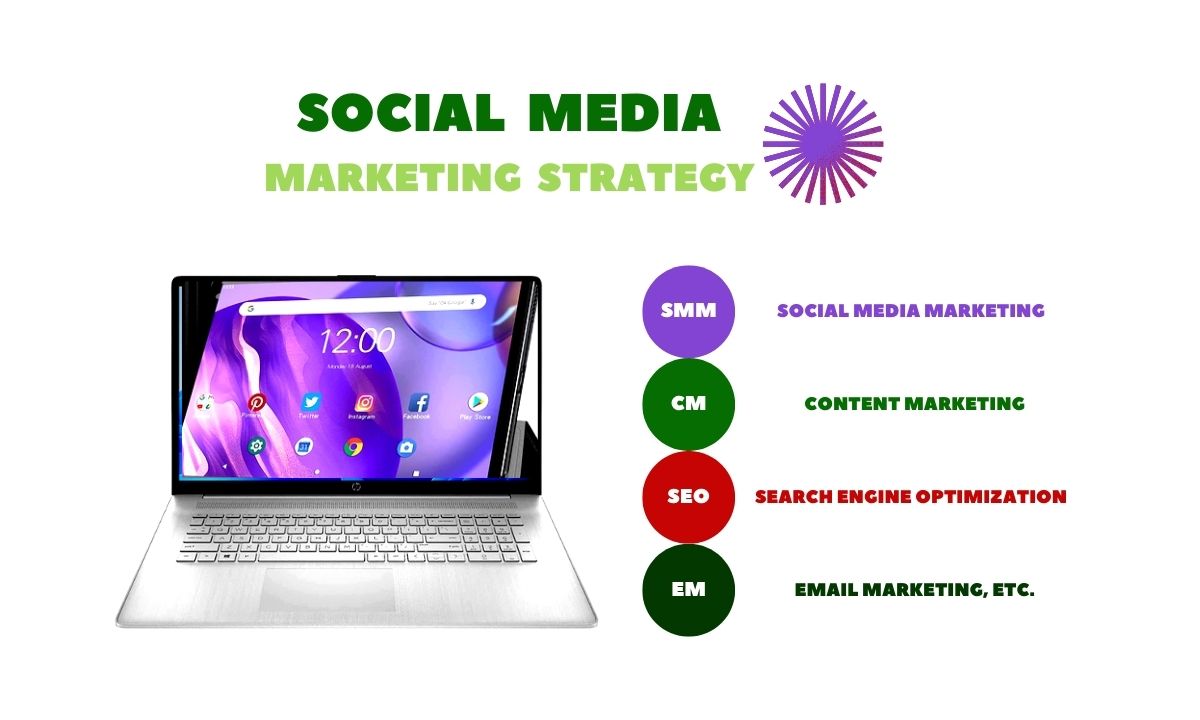
    Social media marketing, also known as digital marketing, electronic marketing, or online marketing, is described as the act of using social media network to sell, market, or promote a brand, product, or service. It represents the use of online platforms to promote a trade or service. Whereas social media marketing strategy is a document that delineate the intended goals and tactics, including the metrics designed to monitor and measure performance for the purpose of marketing a company’s products or services to its target audience. To be effective, the social media strategy should be consistent with the company’s overall marketing strategy. The social media marketing strategy if implemented accordingly, has overarching benefits of helping businesses or individual to:


    • Increase brand awareness and recognition
    • Sell products or services
    • Build enhanced social media community networks
    • Market product or service to target audience
    • Monitor brand, product, or service performance using the right tools and re-strategize when necessary to achieve the intended goal.

    Procedures for Developing Social Media Marketing Strategy

    The 21st century businesses are driven by digitization and companies must adapt quickly to changing circumstances in the marketplace. Otherwise, a company may become laggard relative to its competitors. Digital transformation has enhanced our social interaction, including the way we conduct business.

    In today’s business environment, it is very common among consumers to visit online to research about a potential product or service before making buying decision. For this purpose, it is essential for companies to strive to improve its digital footprints across multiple social networks.

    The following are the underlying procedures for developing social media marketing strategy, including:

    • Determine a social media marketing goal to be achieved, and this should be consistent with the overall corporate objective of the organization. The social marketing goal should be specific, measurable, attainable, relevant and time bound. It should also be unique and complement the overall strategic marketing goal.


    • Establish a social media budget. Company should develop a budget with which it can run the social media activities. Social media marketing is a viable undertaken that require financial resources. The requisite limited scarce financial resources should be allocated in a judicious and efficient manner across the identified social media accounts. More resources should therefore be allocated to or spend on social media account that generate or have the potential to achieve the highest revenue or increase brand awareness and reputation.


    • Identify and evaluate the company’s target audience profile including their demographic, psychographic, geographic, and behavioral tendencies. The social media marketing activities should be channelled to customers who are more likely to buy or patronize the company’s product or service. However, the product or service should reflect the current market needs and be distributed and promoted to the target audience at the right price and quality to generate increasing sales. The areas of interest of the target audience should be identified and the marketing campaign efforts should then be directed towards satisfying the identified interests.


    • Identify the most relevant metrics. The social media marketing strategy should be designed to identify the most relevant metrics, particularly the ones that produce the best result. More attention should then be given to the metrics that are consistent with the intended goal. Thus, more resources should be directed to improving the metrics on a going concern basis to get the best and consistent result.


    • Carry out competition analysis to identify major rivals, best practices, and spot opportunities. Competition analysis is intended to help identify and understand the strengths and weaknesses of comparable companies operating in the same industry. This is premised on the believe that the company’s rival will adopt similar social media marketing strategy. Therefore, the company should know what the competitions are doing on social media, whom they are targeting, and the kind of phrases or key words they are using to attract potential customers.


    • Select the right social media network. Company will need to create social media accounts including Facebook, Instagram, Twitter, Pinterest, LinkedIn, Google my business, etc. depending on the intended goals to be achieved and manage each effectively. The top six (6) social networks with monthly active users as of January 2022 include:
    1. Facebook: Controls the largest share of 2.9 billion users
    2. YouTube: About 2.6 billion people are actively sharing contents
    3. WhatsApp: Has a share of 2.0 billion active users from social networks
    4. Instagram: 1.5 billion people are engaging on the platform
    5. WeChat: Controls 1.3 billion users monthly
    6. TikTok: 1.0 billion are actively using the platform monthly.


         Source: Statista

    Once the social media accounts have been created, the marketing campaign and activities should be conducted, integrated, and distributed on each selected platform simultaneously, using relevant social media management tools. The selected social media platforms should be the ones that the target customers will normally use or patronize consistently.

    • Carry out social media audit for the purpose of improving on all social media efforts. This is designed to identify the social media account that is best performing or lagging and on which you will need to re-strategize to get the desired result.


    • Develop compelling contents including images and videos that generate lead. To generate sufficient lead, company should develop the habit of sharing quality and compelling social media contents on a regular basis. Any social media account without the requisite contents will be too boring and will not attract the needed visit to generate increasing revenue or create brand awareness depending on the intended goal to be achieved. The content to be shared can be a combination of entertaining and informative items and should resonate with the target audience. In today’s digital age, compelling social media contents have the capabilities of generating value for a business. This is because it allows the company to clearly communicate its message and demonstrate their best of ability to promote the products or services.


    • Track performance of social media activities by monitoring and collating promotional campaign data using relevant tools including Google Analytics, exactmetric, GTmetric etc. to assess customer behavior, patterns, demographics, psychographics etc. in relation to social media campaign activities.

    At Greena, we pride ourselves with highly experienced and committed professionals willing and ready to collaborate with businesses to create value

    SIGN UP below to receive compelling articles to improve your business

    info@greenapartners.com

    +234 (0) 901 610 3132
     

    Postal Code: 100213

    74 Ogunnusi Road, Ojodu Ikeja, Lagos

  • How To Effectively Manage Working Capital

    How To Effectively Manage Working Capital

    Working Capital Management

    How To Effectively Manage Working Capital

    Every business entity, be it large or small, private, or public, needs sufficient working capital to be able to run smoothly. Lack of or inadequate working capital can impair the ability of a company to operate on a going concern basis. Generally, company needs working capital to pay salaries, purchase inventories and supplies, settle short-term debt obligations as they become due, etc. When a business is unable to accomplish any of these, some operating activities of the company may be curtailed. Imagine a company in the production process, and suddenly realized that the material is exhausted or finished. Certainly, this occurrence will disrupt production, and may result in loss of revenue or may even erode the reputation of the organization. Hence, it is essential that adequate working capital is available to ensure smooth production run and achieve operating efficiency.


    Working Capital Versus Working Capital Management

    Working capital may be described as a difference between current assets and current liabilities. It is the amount required for the day to day running of a business. On the flip side, working capital management represents a judicious and efficient management of each component of current assets and current liabilities including inventory, account receivable, cash & cash equivalent, account payable, short-term debt etc. to ensure the liquidity of the company. The primary purpose or objective of working capital management is to guarantee sufficient cash flow is available to meet short-term operating costs and debt obligations. Efficient working capital management is intended to ensure smooth financial operations, improve earnings, and increase profitability of a company.


    Working Capital Cycle

    This is also known as operating cycle or cash operating cycle. It is described as the length of time between when cash is paid to acquire raw materials and when cash is finally received from debtors through sales. The longer the operating cycle, the longer capital is tying down without earning return on it. Therefore, companies should strive to reduce their working capital cycle by collecting receivables promptly or delaying accounts payable, if possible.

    Below is the pictorial representation of working capital cycle:

    Working Capital Cycle

    To sustain the liquidity, profitability, and going concern status of a company, each component of current assets and current liabilities in the statement of financial position must be managed effectively and given due consideration.


    Cash Management

    Cash is the most liquid asset of an organization. It represents the lifeblood of any business. The lack of which can collapse a company. Therefore, companies must maintain sufficient cash balance to:

    • meet the day-to-day running of the business activities
    • serve as a cushion against unexpected expenditure
    • guard against working capital problems
    • take advantage of market opportunities.


    If a company does not possess adequate cash balance, it can impair its ability to operate efficiently and settle short-term debt obligations as they fall due. This may have serious operational repercussions on the business because working capital is inadequate. This situation can also lead to the winding up of the company if it becomes a recurring issue.

    However, when a company has idle funds that will not be needed or used in the next 3months or more, the funds should be immediately invested in short-term marketable securities including treasury bill, fixed deposit account, etc. to earn return. Holding too much of cash or bank balance is an unproductive way of managing asset. Any substantial surplus funds should be invested to generate additional profit for the company rather than keeping them in the bank account, yielding zero return.


    Cash Monitoring & Controlling

    Cash projection and budget for receipts and payments should be produced annually or periodically as a way of managing working capital effectively. The cash budget and forecast should be prepared separately for the same period under consideration. To ensure the budget is not exceeded, the actual cash receipts and payments including the forecast, should be benchmarked against the budget estimate. Any associated variance should then be analyzed and justified. Monitoring and controlling of cash receipts and payments will help businesses to know when there is cash flow surplus or shortfall, and in effect, improve working capital.

    Inventory Management 

    This involves the method of ensuring that the right quality and quantity of the relevant inventories is available at the right time and at the right place. Inventory includes raw materials, work-in-progress and finished goods that are ready for sale. It is one of the most critical assets of a business because it represents the primary source of revenue generation. Hence, efficient inventory control will enhance working capital.


    Reasons For Holding Inventory

    Companies have divergent reasons for keeping inventories and some of which include:

    • To ensure smooth production run
    • To meet regular demand
    • To take advantage of bulk purchase discount
    • To even out seasonal variation in demand
    • To take benefit of unexpected scarcity in the product


    Inventory Costs

    These are costs associated with inventory management. The component of Inventory costs include:


    Ordering Cost

    These are costs incurred when an order is placed up to the point of receiving the goods into the warehouse. Examples of ordering costs include the following:

    • Cost of issuing purchase order e.g., remuneration of purchasing dept. staff
    • Transportation cost
    • Cost of getting payment to the supplier
    • Communication cost g., telephone bills, data etc.
    • Cost of loading or offloading the items


    Carrying Cost

    This is also known as stock-holding cost. They are costs incurred whenever material is stored in the warehouse. Carrying cost per unit is directly related to purchase price per unit. Examples of carrying cost include:

    • Initial investment- capital outlay
    • Cost of renting the warehouse / store
    • Insurance and audit costs
    • Warehouse maintenance
    • Damages and pilferages
    • Documentation cost e.g., stocktaking
    • Deterioration and obsolescence


    Stock-out Cost 

    These are costs incurred when customers’ demand cannot be met because the stock is exhausted. They are the opportunity cost of not having a stock when customers are ready and willing to buy. Examples of stock-out cost include:

    • Loss of revenue
    • Loss of reputation or goodwill
    • Loss of experienced staff
    • Loss of trade secret to competitors due to loss of staff


    Purchase Cost

    This is the actual cost of the items placed in stock. The cost per unit of the items may be fixed if no quantity discount is allowed. But the cost will vary if quantity discount permitted.


    Objectives of Managing Inventory

    Inventory management is extremely important for any organization. The primary purpose of which is to ensure that stock levels are maintained so that the total relevant costs of inventory mentioned above, are kept at the barest minimum. However, the objectives that companies may want to achieve in managing inventory to ensure efficient working capital may include:

    • To minimize capital investment in inventory by purchasing only requisite items
    • To minimize risk of loss due to obsolescence, deterioration, etc.
    • To supply the required materials continuously
    • To minimize the cost associated with inventory
    • To minimize the risk of under and over stocking of material
    • To maintain systematic record of inventory

    Accounts Receivable Management

    The objective of managing account receivables is to ascertain the optimum level of trade credit to be offered to customers and timely collectability of such credit. Offering credit to customers is intended to increase sales and in effect profitability. Customers’ loyalty are assured if customers are given opportunity to purchase on credit.

    However, companies should design credit policies that will be consistent with the overall objective of the organization, industry standards, and best practices. The guidelines should expressly specify the credit terms for the collectibles. For instance, a company may adopt 15, 30, 45days, or more as credit terms. A responsible person or department within the organization should be assigned the responsibility of ensuring timely collection of the collectibles.

    Offering too much credit or having too liberal credit terms may result in high bad debts, and which may result in liquidity problems and loss of income to the company. On the other hand, if the credit terms are too strict and unfriendly, customers may patronize the competitors where credit conditions are more favorable. This may result in loss of customers and revenue. Therefore, companies should strike a balance and design suitable credit terms that the current and potential customers will be willing to accept. Trade discount can also be extended to customers to encourage prompt payment to improve working capital.

    Also, companies can automate its invoice processing to achieve efficiencies and optimum cash conversion cycles. This is because manual processing of invoices may cause delay in sending invoices to customers, loss of invoices, and inefficiencies arising from high volume of invoices to be processed.

    Accounts Payable Management

    Accounts payable represents the amount a company is owing to its suppliers or vendors arising from trade credit. It is an arrangement by which a business purchase goods on account for credit, and settlement to the supplier is deferred into an agreed future date. Usually, suppliers can give credit for 15, 30, 45, 60 days or more, depending on the supplier’s credit policy. A discount is allowed if payment is made within a specified number of days, otherwise, the full amount will be due at a specified date. For instance, the terms of “3/10, net 30” means that a 3percent discount is granted if the invoice amount is paid within 10days; otherwise, the full amount will be paid on the 30th day. The terms of discount and credit policy differ among companies, depending on the industry, level of competition and market conditions.

    The earlier the settlement of trade credit to vendors, the better the creditworthiness, and the higher the future opportunities that will be extended. This will also enhance the flow of working capital because there will be regular supply of materials, high-quality products will be provided, and there will be on-time delivery.

    However, if credit is delay beyond the agreed term, it will improve working capital ratios, but may damage the reputation of the company, worsen business relationships with suppliers, require firm to pay cash before supply, and impair its ability to enjoy credit facilities on a going concern basis.

    Companies should avoid the tendency of delaying payments to vendors for goods supplied, except it is impracticable. And when there is going to be delay in invoice payment, suppliers should be informed immediately and agreed on the revised payment date.

    Short-Term Financing

    Trade credit is the cheapest and most important source of short-term finance for many companies, especially where the required funds is not readily available. Identifying the appropriate source of financing inventory may be very challenging. In this case, trade credit will become handy to finance working capital. However, if there is no credit facility from supplier, it may be necessary to utilize bank loan or overdraft facility.

    A firm’s suppliers may want to offer discounts to encourage early settlement. This opportunity should be grabbed if the discounts will benefit the company the more. However, if the company is short of cash, it might decide to maximize the credit period granted by the suppliers, irrespective of the settlement discounts offered.

    At Greena, we pride ourselves with highly experienced and committed professionals willing and ready to collaborate with businesses to create value

    SIGN UP below to receive compelling articles to improve your business

    info@greenapartners.com

    +234 (0) 901 610 3132
     

    Postal Code: 100213

    74 Ogunnusi Road, Ojodu Ikeja, Lagos

    SIGN UP below to receive Business Articles from Adda

  • Who is a Chartered Accountant?

    Who is a Chartered Accountant?

    Greena Partners

    Who is a Chartered Accountant?

    Accounting profession is a very challenging, respected, and interesting discipline that is designed to bring out the best in an average aspiring-chartered accountant. The journey to become a chartered accountant may be tough, due to the rigorous level of examinations to be undertaken, but the end result is highly rewarding. The professional accountant jobs are in high demand across public and private organizations anywhere in the world. Chartered accountants occupy positions such as auditor, financial accountant, management accountant, cost accountant, finance analyst, finance specialist, project accountant, business consultant, financial advisor, finance manager, financial controller, finance director, chief financial officer, or chief executive officer etc., depending on your years of experience and the size of the organization.

    The professional accountants are decision makers, trusted advisors, and business leaders positioned to create increasing value for their companies. A chartered accountant occupies a fiduciary position within an organization, and as a result, are expected to act in the best interest of their employers or clients. Professional accountants are responsible for preparing and reporting the financial statements of their entities in which the investors and other users rely upon. For this reason, they are required to protect the public interest. Generally, high expectation is placed on a chartered accountant to act ethically and responsibly by demonstrating good professional behavior and ensuring high quality of the general purpose financial statements.

    Who Is a Chartered Accountant?

    A chartered accountant is a professional accountant that has been trained by a recognized accounting body in a country, after passing the prescribed examinations and have been so inducted and provided with a certificate by the institution. In Nigeria, the Institute of Chartered Accountants of Nigeria (ICAN) and the Association of National Accountants of Nigeria (ANAN) are the two bodies recognized by the act of parliament. By convention, and according to the dictate of accounting profession, only chartered accountants or members of the institute are permitted to use the designation of Associate Chartered Accountant (ACA) or Fellow Chartered Accountant (FCA) for ICAN, and Certified National Accountant (CNA) or Fellow Certified National Accountant (FCNA) for ANAN.


    Some Other Professional Accounting Bodies

    Other countries in the world have their own recognized professional accounting bodies including:

    • Institute of Chartered Accountants of Ghana (ICAG)
    • South African Institute of Chartered Accountants (SAICA)
    • Institute of Chartered Accountants of India (ICAI)
    • Chinese Institute of Certified Public Accountants (CICPA)
    • Institute of Chartered Accountants in England and Wales (ICAEW)
    • Association of Chartered Certified Accountants (ACCA)
    • American Institute of Certified Public Accountants (AICPA)
    • Canadian Institute of Chartered Accountants (CICA) etc.


    Chartered accountants are generally bound by the rules of professional conduct produced by the International Federation of Accountants (IFAC) or relevant professional accounting bodies. A professional accountant is required to comply with the conceptual framework, and apply in their day-to-day activities, the fundamental principles of:

    • Integrity
    • Objectivity and independence
    • Professional competence and due care
    • Confidentiality
    • Professional behavior

    Is Accounting Graduate a Chartered Accountant?

    An accounting graduate, or a person that is performing accounting roles in an organization is an accountant and NOT a chartered or certified accountant, irrespective of his / her many years of experience on the job. As such, no specific professional qualification is required to enjoy the title of accountant. However, Accountants are not allowed to use ACA or CA designate because they do not possess the requisite training and professional qualification.

    Professional Accountants in Public Practice

    These are chartered accountants working as members, partners, or employees of a practising accounting firm to render professional services including accounting, consulting, assurance, tax, investigation, forensic accounting, etc. to public and private organizations. Professional accountants in public practice are expected to comply with all fundamental principles of the profession and avoid any action that can damage or bring accounting profession to disrepute. 

    In accordance with the code of ethics for professional accountants of International Federation of Accountants (IFAC), a professional accountant in public practice should not engage in any business, occupation, or activity that impairs or might impair integrity, objectivity, or the good reputation of the profession and as a result would be incompatible with the rendering of professional services. A chartered accountant in public practice should be aware of some certain situations or events that can potentially threatened the fundamental principles of the profession including:

    • Self-interest threat
    • Self-review threat
    • Advocacy threat
    • Familiarity threat
    • Intimidation


    Professional Accountants in Business

    These are chartered accountants employed or engaged by private or public entities to provide strategic financial and business solutions to aid management decision making. Professional accountants in business use their professional skills and the knowledge of the business, industry, and economic environment in providing support to management to develop corporate strategy, optimize costs, improve revenue, design measures to mitigate risks, and provide professional advice to enhance the overall value of the business. Particularly as a board member of a big or quoted company, a chartered accountant is seen as being representing the interest of the shareholders in the company. Hence, a chartered accountant is expected to act in the best interest of the public and strive to increase the value of the company to enhance owners’ equity value.

    When Do You Need the Service of a Chartered Accountant?

    A chartered accountant is needed in business for a rewarding and profitable outcome. Professional accountant will provide the requisite business and financial strategies to the organization and guide the company against any potential risk exposure. The global business environment is becoming challenging and volatile. Hence, chartered accountants are needed more than ever to help businesses mitigate risks and act as enablers to achieve corporate strategic goals.

    To avoid risk of financial losses, you need the service of a professional accountant to help you design tailor-made organizational processes and procedures to preclude financial leakages and develop a policy document known as standards of business conduct to serve as business operating manual.

    At Greena, we pride ourselves with highly experienced and committed professionals willing and ready to collaborate with businesses to create value

    SIGN UP below to receive compelling articles to improve your business

    info@greenapartners.com

    +234 (0) 901 610 3132
     

    Postal Code: 100213

    74 Ogunnusi Road, Ojodu Ikeja, Lagos

  • Factors to Consider When Sourcing for Finance

    Factors to Consider When Sourcing for Finance

    Greena Partners

    Factors to Consider When Sourcing for Finance

    When sourcing for finance, it is essential to critically analyze the various sources of finance open to a business entity for the purpose of achieving optimal capital structure and minimize the overall cost of capital. Each source of finance has different implications on the business. Hence, before a company set out or decide to source for funds to finance its operations, it is important to consider the various factors underlying each source before final decision is taken.


    Now, let us look at the key determinants underlying sourcing for finance.

    Key Factors to Consider

    These include:

    • Amount Required
    • Purpose
    • Risk
    • Cost of Finance
    • Duration
    • Gearing Level
    • Dilution of Control
    • Repayment Source
    • Legal and Regulatory Considerations

    Amount Required

    One key factor to consider when sourcing for finance is the amount required arising from the liquidity position of a company. When the finance available to a company is not sufficient to undertake viable investment opportunities or run the day-to-day activities of the business, there may be need to source for funds to account for the shortfall. Company will need to ascertain the amount required to address its liquidity. The size of finance required will determine the cost the company will pay to the provider of funds. This is because each source of finance has its own underlying cost, and every company will strive to minimize the overall cost of borrowing.


    Purpose

    When a company needs money to finance its operations, it may approach banks or investors for loan facility. One of the questions a potential lender will ask is the need for the funds. Therefore, the reason for and the use of the finance is very vital. May be the finance is required to acquire non-current assets or to address shortfall in working capital. Hence, before you set out to source for loan or finance, you should know the purpose for which the funds are required.


    Risk

    The risk of default is one of the determinants when sourcing for finance. The default risk is the risk arising from the inability of the company to settle its financial obligations as they become due. Imagine the consequential effect of failure to pay debt owed to a bank, relation, or friend. A business is exposed to various kinds of risks and the perceived risk of the company by each investor or financier differs. Generally, banks considered new or small companies riskier than the well-established organizations. Risk is a function of cost of capital, because the higher the risk associated with a company; the higher will be the cost of finance and vice versa. Generally, the risk associated with debt finance is lower and that is why its level of return is also lower.


    Cost of Finance

    The cost of finance is the compensation required by the supplier of funds from their investments. It is a function of the size of finance required and the perceived risk. The higher the amount of finance required and the level of risk, the higher will be the associated costs. A higher cost of finance will lower the profitability of a business, and a lower cost of borrowing will increase the profitability. In a company capital structure, debt finance is presumed to be cheaper than equity finance because of tax deductibility benefits.


    Duration

    Finances are arranged for different time horizon. There are long-term and short-term sources of finance. Funds should be matched with the duration of the finance. The matching principle states that, ‘long-term assets should be financed with long-term funds and short-term assets by short-term funds’. This principle should be applied when sourcing for finance. Short-term source should be used for financing working capital and long-term source should be used for purchase of non-current assets. Also, long-term finance is more expensive than short-term finance because borrowers perceive the risks associated with long-term financing to be higher on long-term loans.


    Gearing Level

    Gearing represents the ratio of debt to equity finance in a company. A company that finances its operation with more of debt can be regarded as a highly levered or geared company, whereas a company with small amount of debt in its capital structure is considered to be lowly geared. Company should maintain a balance between debt and equity finance. This is because the optimal capital structure of a firm follows the objective of minimization of overall cost of capital of the firm. When a company defaults in the payments of interest and principal, the debtholders can file for liquidation of the company, or may result to dilution of ownership of the business.


    Dilution of Control

    When more equity security is issued, especially to new investors when sourcing for finance, it can bring about dilution of control in the management of the company. New shares issued to investors will impair the proportionate shareholding of the existing shareholders, because of the increased number of ordinary shares. Hence, promoters or owners of the company who do not want to lose control, and prefer to keep major decisions making to themselves, will strike a balance between the amount of equity to be issued to investors and the level of control that is required in the management of the business. A controlling interest of about 51% should always be maintained, in order to remain in-charge of the major decision making in the organization.


    Repayment Plan

    Company should establish a repayment plan and ascertain how it intends to repay a loan facility as they become due. This is because for a company to remain in business, it must generate consistent cash flows that will be sufficient to cover its costs. A company must therefore strive to create value and generate high return that is greater than its cost of finance. Therefore, when you are sourcing for finance or loan, your potential lender may want to know how you intend to repay the loan and the source of your cash flow generation. For this purpose, you may need the service of a Chartered Accountant to help you develop the 12-month or 3-year cash flow projection, including full-year profit or loss account, and statement of financial position of your business. This is because you need to demonstrate to the potential lender that the business is profitable and that you have the capacity to pay both the annual interest and the principal amount at the maturity date.


    Legal and Regulatory Considerations

    Companies must consider the legal and regulatory requirements that are associated with each source of finance. Every detail of the terms and conditions of the loan facility, including the responsibilities and rights of all parties should be clearly understood. All regulatory matters including guidelines issued by Central Bank (CBN), Securities and Exchange Commission (SEC), Bank of Industry (BOI), and other agencies of the government, that relate to the transactions should be considered. Particular attention should be paid to the terms of the agreement and carefully review every line item in the debt indenture when sourcing for finance.

    At Greena, we pride ourselves with highly experienced and committed professionals willing and ready to collaborate with businesses to create value

    SIGN UP below to receive compelling articles to improve your business

  • Sources of Finance: Main Classification

    Sources of Finance: Main Classification

    Sources of Finance

    Sources of Finance: Main Classification

    Financing is one of the principal decision areas in financial management. It involved critical analysis of the various sources of finance available to an entity to achieve optimal capital structure. Capital structure is the way and manner a company finances its operations. Whilst the optimal capital structure is the one that minimize the overall cost of capital of the firm. When a company has identified viable investment opportunities, i.e. projects that can increase the value of the business, there will be need to ascertain the most economical method of  financing the projects.

    Basically, there are short-term, medium-term, or long-term sources of finance open to a company, depending on the amount, the underlying cost, duration, and purpose for which the funds are required.

    Now, let us look at the various sources of finance available to a company, based on their time horizon.

    Short-Term Sources of Finance

    These are funds required for financing the day to day running of the business, that is, working capital. The funding requirement may be for each component of current assets and current liabilities such as inventories, account receivables, prepayments, short-term investments, and account payables. This source of finance is usually available for a period of 12 months or less. Short-term sources of finance should not be used for financing long-term business activities including purchase of non-current assets such as motor vehicle, plant and equipment, machinery etc., because that will amount to funds mismatch and can impair the ability of the company to make repayment as agreed.

    There are several short-term sources of finance. Some of them include:

    • Accruals
    • Trade credit
    • Bank credit (overdrafts)
    • Debt factoring
    • Commercial papers
    • Bankers’ acceptances


    Accruals

    Accrued expenses are those expenses that the company owes to others but not yet due for payment. It represents a liability that a company must pay for the receipt of goods or services. Salaries and wages, interest, dividend, and taxes are the major components of accruals. And they represent a readily available and interest-free source of financing, but companies should exercise care in its usage. Mostly, taxes are paid one year in arrears, and companies usually utilize the timing difference in the payment of tax, by ploughing back the tax due into the running of some of the business activities. This source of funding must be used carefully. Otherwise, there may be penalty or fine for failure to file returns.

    Also, salaries and wages are usually paid on a monthly and weekly basis. But when organizations are constrained, they may dip into staff salaries and use the funds to finance other pressing business activities and defer payment of staff salaries to another period. However, companies should seldomly use this source of fund because it can have severe consequence, including absenteeism, low productivity, and morale etc. on the business operations.


    Trade Credit

    This represents an arrangement by which a business purchase goods on account for credit, and settlement to the supplier is deferred into an agreed later date. Usually, suppliers can give credit for 15, 30, 45, 60 days or more, depending on the supplier’s credit policy. A discount is allowed if payment is made within a specified number of days, otherwise, the full amount will be due at a specified date. For instance, the terms of “3/10, net 30” means that a 3percent discount is granted if the invoice amount is paid within 10days; otherwise, the full amount will be paid on the 30th day. The terms of discount and credit policy differ among companies, depending on the industries, level of competitions and market conditions.

    Companies should develop a guideline that align all procurement activities including inventory and payables management. The guideline will ensure efficient management of account payables, which is a key component of working capital.


    Bank Overdraft

    This is a loan facility usually extended to a company through its bank. It represents one of the sources of finance to a company whereby the company makes payments out of its current account in the amount that exceeds its available balance. Overdrafts are a good source of working capital financing. The facility is normally available for a fixed period or can be rolled over with no end date. Overdraft facility can be arranged and available for use within two weeks or up to three months depending on the size of the facility and level of securitization. Secured overdrafts can take up to three months to be available due to the need to verify the authenticity of the documentations and securitized assets. Whereas unsecured overdrafts can be available for use on the spot or maximum of two weeks.

    Overdrafts are usually provided at a cost which may include interest charges on the amount overdrawn at the end of each day, annual arrangement, or maintenance fee. Other fees and charges may be applicable, such as a non-utilization fee, depending on the size of the facility. Other conditions that may be attached to the overdraft facility by bank may include Information on current management accounts and/or cash flow projections. This information will be reviewed and agreed before final approval.


    Debt Factoring

    Debt factoring is a form of arrangement between a company and a factor where the company sold the outstanding invoiced amount to the factor at a discount in order to raise funds. Factoring is another source of finance to a company in that, the receivables will be paid by the factor to the company much sooner than expected and cash will be made available to run the activities of the business. The terms and conditions set by a factor may vary depending on their internal procedures and what is obtainable in the industry.

    Usually, there are three parties involved in factoring transaction- the company who sells the receivable, the factor who purchases the receivable, and the debtor who has the financial liability to pay outstanding invoiced amount.


    Commercial Papers

    They are issued to meet short-term working capital requirements, such as inventories, accounts payable etc. or undertake new investment opportunities. Companies issue commercial papers at a discount from the face value, depending on the prevailing interest rates and credit rating of the issuer. They have a maturity period of between 30 and 270 days and are bought and sold at a discount in the money market and the returns are normally high due to high risk. It is an unsecured debt negotiable instrument not back by any collateral. Such features make it a convenient and cheap financing option for company with a good credit rating and reputation.

    The costs associated with issuing commercial papers such as dealers fee, bank charges and commission, rating agency fee etc. are usually borne by the issuer. Commercial Papers may be issued to and held by individuals, deposit money banks, other corporate bodies registered or incorporated in Nigeria and unincorporated bodies, non-resident Nigerians, and foreign institutional investors.


    Bankers’ Acceptances

    This is a bill of exchange drawn on and accepted by a bank stating that a certain amount of money will be paid after a specified period. Bankers’ acceptances are relatively liquid, safe but with low returns although these returns are usually higher than those available on government securities. Bankers’ acceptances usually have maturities of 30 to 180 days.

    It is a marketable instrument and allows a bank to finance its customers without necessarily utilizing its loanable funds. Instead, funds are provided by investors who are willing to purchase these obligations on a discounted basis. Bankers’ acceptances are used for cross-border transactions as a means of settling payment.

    Medium-Term Financing

    These are funding required for a period exceeding one year but less than 5 years. They are mainly used for financing non-current assets such as machinery, motor vehicles, furniture & fittings, plant & equipment.


    Sources of Medium-Term Financing

    Common sources of medium-term financing include:

    • Leasing 
    • Hire Purchase
    • Franchising
    • Venture Capital
    • Business Angel


    Leasing

    A lease is an agreement between two parties, the “lessor” and the “lessee”. The lessor owns a capital asset but allows the lessee to use it. The lessee makes payments under the terms of the lease to the lessor, for a specified period. Leased assets are usually plant and machinery, cars, and commercial vehicles, including computers and office equipment. There are operating leases and finance leases.


    Hire Purchase

    This is a contractual agreement between two parties- the owner and the user, in which one party acquires an asset from the other party through regular instalment payments and ownership of the asset is transferred when the last instalment is paid. Hire purchase is similar to leasing, except that ownership of the goods is not transfer to the user of the asset until the final instalment is made to the owner. The hire purchase payments usually include the initial deposit, annual instalment, and the interest.


    Franchising

    A franchise is a form of license usually granted to a business (franchisee) by a company (franchisor) for the use of the company’s proprietary resources such as business model, brand, suppliers, and marketing, in order to allow the business to sell a product or provide a service under the company’s name. The franchisee is required to pay to the franchisor an initial start-up and licensing fees, in exchange for gaining the franchise.

    The franchisor is the original owner of the business that sells the right to use its name and idea. The franchisee is the individual or business who buys into the original company by purchasing the right to sell the franchisor’s goods or services under the existing business model and brand. Franchising generally provides you with access to an established company’s brand name. This means that you do not need to spend additional resources to register your name and promote your products to potential customers.


    Venture Capital

    This is a form of private equity that provides financing to companies in their early stage. Venture capitalists play a very active role in the management of companies in which they invest their money, by also providing close oversight and regular advice.

    Venture capital funds have a definite investment horizon and, depending on the type of business, they make the investment with the opportunity to exit within three to five years from the initial start-up. The exit return earned by this private equity investors is based on the price at which the investment can be sold upon decision to go public through initial public offering on the stock market or by being sold to other investors.


    Business Angel

    A business angel also known as angel investor, angel funder, informal investor, private investor, or seed investor is a high net worth individual, who provide financing to start-up companies or entrepreneurs, in exchange for ownership equity. Often, angel investors are found among an entrepreneur’s family and friends. The funds that private investors provide may be a one-time investment to help the business get off the ground or an ongoing injection to support and carry the company through its difficult early stages.

    While some business angels are active board members, others act as advisers and keep out of day-to-day running of the business. Many provide the capital but have nothing to do with the running of the company. Most of the angel funders are business executives and possessed diverse industry experience and expertise.

    Long-Term Financing

    Long-term financing is a mode of financing that is available for over one accounting period, that is, more than one year. Long-term financing is required for the acquisition of non-current assets, expansion and growth, research and development, technological innovation, and execution of new investment opportunities.


    Sources of Long-Term Finance

    The sources of long-term financing include:

    • Debt Financing
    • Preference Shares
    • Equity Financing


    Debt Financing

    This is one of the long-term sources of finance that involved the use of fixed-income securities to finance the operations of a business. Debt is regarded as a cheaper source of financing open to a company because it attracts tax deductibility benefits. The risk and return associated with this type of financing is usually low, compared to equity financing. The providers of debt capital are entitled to annual fixed interest payments up to the maturity. When the company defaults on the payment of interest and the principal, the debtholders may file for liquidation, and the assets of the company will be realized, and the proceed will be used to settle all creditors in the order of seniority. The main debt instrument includes bonds, debentures, and loan notes.


    Bonds/Debentures/Loan Notes

    A bond is a contractual agreement between the issuer and the bondholders. Bond is used to finance long-term financing needs of a company. Generally, the terms ‘loan notes’, ‘bonds’, or ‘debentures’ are now used interchangeably to mean any kind of long-term marketable debt securities. Debentures are a type of bonds that can be secured or unsecured.


    Click here to read more about the meaning and features of bonds:


    However, there are important elements of bonds that investors need to understand when making investment decisions, including the features, legal, and tax considerations.


    Legal Considerations

    The legal obligation to make the contractual payment is assigned to the issuer of the bond. The issuer is identified in the indenture by its legal name. Bond indenture is the legal contract that describes the form of the bond, the obligations of the issuer, and the rights of the bondholders, including information on sources of funding the interest payments and principal repayments, collaterals, or covenants. Collaterals are assets or financial guarantees underlying the debt obligation over and above the issuer’s promise to pay. Covenants are clauses in the indenture that specify the rights of the bondholders and any actions that the issuer is obligated to perform or prohibited from performing.

    Investors should pay special attention to their rights in the event of default by carefully review every line item in the indenture. Investors should also give priority to where the bonds are issued and traded because it affects the relevant laws and regulations of the jurisdiction. There are national, domestic, foreign, or global bonds and all have different specific legal and regulatory requirements that investors must familiarized with.


    Tax Considerations

    Investors should pay critical attention to tax implication underlying the bond issued. Every country has specific tax legislation and requirements, both local and foreign. Therefore, investors should get familiar with tax considerations on the bond.


    Preference Shares

    These are fixed-income security that serves as a source of financing long-term business activities of a company. Preference shares are also known as preferred stock. They are shares of a company’s stock with dividends that are paid out to shareholders before ordinary share dividends are paid. In the event of liquidation of the company, the preference shareholders are settled from the company’s assets before the ordinary shareholders. Preference shares are less risky compared to ordinary shares.

    Preference shareholders are entitled to fixed dividend from the company’s annual profits and do not possess any voting rights in the company. Preference share combines the features of debt and equity because it pays fixed dividends and has the potential to appreciate in price. Preference share could be cumulative or non-cumulative, participating, or non-participating, redeemable, or irredeemable.


    Equity Financing

    Equity financing is the investment in a company by the ordinary shareholders, represented by the issued ordinary share capital plus reserves. Ordinary shareholders are the owners of the company that contributed their capital to finance the operations of the company. Ordinary shares represent ownership interest in a company, and as a result, the equity holders partake in the sharing of the operating performance of the company (as a compensation for their capital contributions), participate in the governance process through their voting rights, and have a residual claim on the company’s net assets in the event of liquidation.       


    Raising Equity Financing

    Equity financing is the process of raising capital by selling shares to investors for the purpose of meeting liquidity requirements of the company in exchange for cash. There are three main sources of raising equity finance and these include:

    • Retained Earnings
    • Right Issues
    • New Issues


    Retained Earnings

    These are undistributed profits of the company attributable to equity holders. They are internally generated funds retained in the business to cater for the financing needs of the company. For a well-established company, retained profits may represent the most important source of finance of both short and long-term purposes. Internally generated fund is easy and cheap to raise, because it does not require any transaction costs, issue costs, professional fee etc.


    Right Issues

    This is an invitation to existing shareholders to purchase additional new shares in the company. A rights issue is an offer to existing shareholders to subscribe for new shares, at a discount to the market price on a stated future date, in proportion to their existing holdings. The rights issued to a shareholder have a value, thus compensating current shareholders for the future dilution of their existing shares’ value.

    At Greena, we pride ourselves with highly experienced and committed professionals willing and ready to collaborate with businesses to create value

    SIGN UP below to receive compelling articles to improve your business

    info@greenapartners.com

    +234 (0) 901 610 3132
     

    Postal Code: 100213

    74 Ogunnusi Road, Ojodu Ikeja, Lagos

  • Economic Indicators: Meaning & Key Indicators

    Economic Indicators: Meaning & Key Indicators

    Economic Indicators

    Economic Indicators: Meaning & Key Indicators

    The economic indicators are variables designed for measuring and evaluating the macroeconomy condition of a country for the purpose of analyzing the current and future movement of the economy. They represent unavoidable risk to businesses when they eventually occur, because they are not within the control of a business entity. Hence, it is imperative for business to take cognizant of them. 

    The awareness and better understanding of the economic indicators will enhance the ability of a business or investor to make good investing decision or strategic planning.

    Key Economic Indicators

    There are several economic indicators depending on the agency, ministry, or entity that is producing the indices. However, some common indicators include:

    • Gross Domestic Product (GDP)
    • Debt to GDP
    • Inflation
    • Interest rates
    • Unemployment

    Gross Domestic Product (GDP)

    This measures the total monetary value of final goods and services produced by a country within a year. GDP represents one of the vital economic indicators of a nation. It is an important measure of performance of the economy of a nation and its level of growth. It can be estimated using expenditure, income, or production methods. The GDP is a key tool designed to aid policymakers, investors, and business entities in making strategic decisions. The GDP is usually determined by the national statistical agency, such as the National Bureau of Statistics (NBS) in Nigeria, considering several parameters, and consistent with the established international standards.


    Nominal GDP

    This represents the total amount of goods and services produced in a country at the current market price. The current market price included the effect of inflation. The nominal GDP may be increasing year on year due to inflation, but the GDP may not be growing. As a result, nominal GDP is not appropriate measure of GDP growth rate.


    Real GDP

    This is the total goods and services produced in a country at a specified period, after adjusting for inflation. This provides a more reliable growth rate estimate since the possible effect of inflation has been adjusted. Real GDP growth rate is generally used as a measure of healthy economy. This is because an increase in real GDP demonstrates an indication that the economy is doing well (economic boom). In this case, there will be more money in circulation and in effect, companies will be hiring more labour, and employment rate will increase. But when the economy shrinks (recession), there will be a decline in real GDP, and employment level will fall.


    Estimating GDP

    In the determination of GDP of a country, the domestic currency is used. However, when comparing the GDP of different countries, the most important thing to do is to convert the GDP of each country with a common denominator i.e., the United States Dollar (USD), using appropriate exchange rate, including purchasing power parity.

    The purchasing power parity theorem (PPPT) assumes that the exchange rate between two currencies generally depend on the relative inflation rates within the respective countries, and that the same goods should have the same price in wherever they are being traded. This is what is called the law of one price. The law of one price states that, the price of goods should be the same in every market if there are no transaction costs, trade barriers, quotas for a particular good.

    PPPT can be calculated using the following formulae:

    Purchasing Power Parity

    The World Biggest Economy

    United States is the country with the largest GDP in the world with a total of $28 trillion and followed closely by China with $18 trillion, in the year 2023. Nigeria is ranked 42nd in the world and the biggest economy in Africa with a GDP worth $364 billion. (WorldData, 2023).

    Debt to GDP

    Debt to GDP is a metric designed principally to measure the proportion of a country’s total debt to its gross domestic product (GDP). It measures the ability of a country to repay the sovereign debt owed from the total monetary value of goods and services produced within a certain period. The ability of a country to pay back its public debts as and when due will enhance its creditworthiness, leading to a good credit rating from the global rating agencies including Standards & Poor, Moody’s, and Fitch.

    Debtb to GDP

    Interpretation

    When a country is unable to pay its debts as they become due, it may send financial panic to domestic and global markets. By implication, the higher the debt to GDP ratio the higher the default risk (i.e., the ability to pay both the annual interest expense and the principal at maturity).

    A lower debt to GDP ratio indicates a healthy financial status and a good creditworthiness to potential lender. Whereas a higher ratio shows that a country is struggling financially to repay its debt. This means that there is high propensity that the country will default in repaying the debt. In this case, lenders may not want to extend additional credit, or they may seek for higher interest rate to compensate for taken higher risk.


    Acceptable Debt to GDP and Its Implication

    The World Bank carried out a study and established a threshold of 77% for debt to GDP ratio. It further states that any point above the baseline of 77% for an extended period will impair the economic growth of a country by 1.7%. In emerging markets, the threshold is 64% with additional percentage cost of 2% reduction in real growth.


    Countries with the highest Debt to GDP

    Currently, Japan has the highest debt to GDP ratio of 228% relative to other countries of the world, followed by Sudan with a ratio of 169%. Turkmenistan and Brunei are at the bottom of the table with 3% and 2% respectively. Nigeria debt to GDP ratio currently stands at 27%. (World Economics, 2023).

    Inflation

    Inflation is one of the economic indicators. It represents the general increase in the prices of goods and services leading to a decline in the value of money. It is the increase in the average prices of goods and services in the economy measured in terms of changes in consumer price index (CPI). Inflation usually results in a decline in the purchasing power of money. It occurs when the supply of money is higher than goods and services available.


    Causes of Inflation

    Basically, Inflation is caused by:

    • Cost-push inflation
    • Demand-pull inflation
    • Government fiscal policy


    Cost-Push Inflation

    The cost-push inflation arises when there is general increase in prices as a direct consequence of increase in production costs, including direct materials, direct wages, direct expenses, and production overhead. When production costs increase, the supply of goods will decline, because manufacturer cannot produce as many goods as possible due to increasing costs. As a result, the burden of the higher cost of production will be shifted to the final consumers. Hence, the increase in prices.

    Though, cost-push inflation is temporary in nature, but it has the tendency of slowing down economic growth, resulting in a fall in the standard of living of the people.


    Causes of Cost-Push Inflation

    This includes:

    • Rise in the prices of production inputs
    • Increase in the price of commodities
    • Wages


    Rise in the prices of production inputs– When the prices of production inputs such as raw material, copper, metal etc. increase, the company or manufacturer will be forced to increase the price of the final goods.


    Increase in the price of commodities– If the prices of commodities such as petrol, or diesel rise, the cost of production and transportation will increase for most firms and households. Oil is considered a very important commodity in the society and that is why whenever there is increase in oil prices, the multiplier effect is always significant on the firms and final consumers.


    Wages– When the cost of living becomes unbearable, workers will demand for higher wages which will invariably increase the production cost for many firms. As a result, the high cost of production will be shifted to the final consumers. On the flip side, when there is shortage of labour in the market, firms may want to increase wages to attract willing and qualified staff, thereby causing production cost to increase. This action will result in cost-push inflation.


    Demand-Pull Inflation

    This arises when there is increase in aggregate demand relative to aggregate supply in the economy, leading to increase in prices of goods and services. The demand-pull inflation is usually caused by the willingness of consumers to demand for more goods or services when there is relatively low supply. During the period of economic boom, the disposable income of consumers tends to increase, leading to more spending on goods and services. The increase in demand for goods and services will cause supply to fall. Therefore, there will be too much money chasing very few goods. Under this situation, the consumers will be willing and ready to pay more for the few items available.


    Causes of Demand-Pull Inflation

    Generally, Demand-Pull Inflation occurs when there is:

    • Economic expansion
    • Increasing government spending
    • Increase in money supply
    • Creation of artificial scarcity in major commodities such as oil
    • Aggregate demand outweighs aggregate supply.


    Government Fiscal Policy

    Expansionary fiscal policy is a policy designed by government to reduce tax burden on the taxpayers by adjusting tax rate downwardly or increase expenditure to increase aggregate money supply. When government increase spending, there will be more money in circulation, and this will invariably increase the discretionary income of firms and households. When this happens, the demand for goods and services will increase, which will in turn, lead to general increase in prices.


    In summary:

    • If government cuts personal income taxes, the disposable income of consumers will increase
    • If corporate taxes are reduced by government, the profit after tax of firms will increase, and more money will be available for growth and expansion
    • If government increases expenditure on infrastructures such as construction of roads, bridges, dams, refineries, or any other similar capital projects, money in circulation will increase. The effect will be growing demand for goods and services, leading to general increase in prices.

    Interest rates

    Interest rate is the compensation for the use of funds for a specific period. It is the actual amount charged, expressed as a percentage of the principal, by a lender to a borrower for the use of funds. Interest rate represents the cost of borrowing to an entity. Several businesses including small and medium enterprises rely heavily on bank loans and other financial institutions to finance their operations.

    However, central bank can reduce interest rates through government expansionary monetary policy. This will afford the banks and other financial institutions to lend more money to firms and consumers. The increase in aggregate money supply because of reduction in interest rates will lead to more spending on goods and services.


    Unemployment

    Unemployment is a vital indicator of how a particular economy is performing and a measure of improvement towards attainment of the United Nations Sustainable Development Goals #8 (Decent Work and Economic Growth). Unemployment is a situation where a capable person is actively seeking employment but unable to find work.

    The number of employments generated or lost during a particular period is an indicator of macroeconomic condition which can materially impact the securities markets. When employment rate increases, it means businesses are doing well. Hence, there will be more money to spend, and demand for goods and services will increase. The increase in employment is good for businesses because it will help drive the needed growth in the economy.

    However, weak economy generally produces high rate of unemployment, especially during economic downturn. In this case, when there is economic recession or inflation, cost of production tends to increase. Therefore, to minimize total overheads including salaries and wages, the low-hanging fruit for many organizations is to reduce the headcount, thereby resulting in job loss.

    Conclusion

    As a risk management strategy, it is essential for businesses, investors, or policymakers to be cognizant of various economic and industry-specific indices for strategic planning and in making good investing decisions. Your knowledge of the industry and economy, especially of the common economic indicators such as GDP, Debt to GDP, Inflation, Interest Rate, Unemployment etc. will enhance your market competitiveness and help you to avoid the risk of financial losses.

    Companies should have a dedicated team responsible for monitoring the industry and regulatory environment in order to minimize exposure to economic, financial, and market risks.

    At Greena, we pride ourselves with highly experienced and committed professionals willing and ready to collaborate with businesses to create value

    SIGN UP below to receive compelling articles to improve your business

    info@greenapartners.com

    +234 (0) 901 610 3132
     

    Postal Code: 100213

    74 Ogunnusi Road, Ojodu Ikeja, Lagos